Hazards

Know the Hazards

Knowing what hazards can affect our region is one of the most important parts of being prepared. In the Sturgeon region we can experience blizzards, tornadoes, wildfires, chemical spills, power outages and much more.

These hazards can have a significant impact on you, your family and the community. Take time now to understand the risks and plan ahead to lessen the impact when emergencies occur.

Get Life-Saving Alerts

Sturgeon County uses Alberta Emergency Alerts. This is Alberta’s emergency alerting system and broadcasts information over text message, television, radio and road signs. No sign-up is needed, but you are encouraged to download the app from the Apple Store or Google Play store.

Earthquake

Earthquakes can happen in Alberta, including near Sturgeon County. Most earthquakes are small, but it’s still important to be ready.

You can lower the risk by securing heavy furniture, knowing safe places in your home and having an emergency kit. In the event of an earthquake, stay where you are, take cover and stay away from things like windows, power lines and damaged buildings.

For more information about earthquakes and how to prepare, read the Government of Alberta’s earthquakes fact sheet.

Extreme Heat

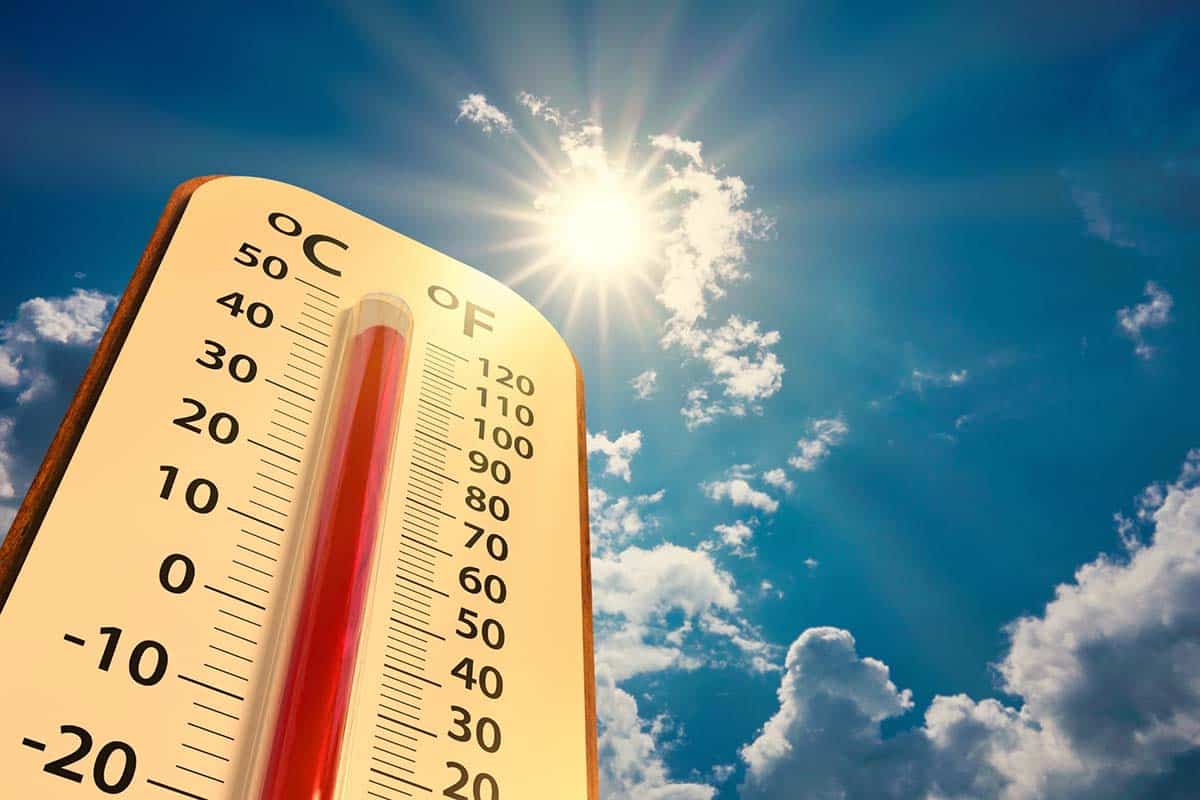
Extreme heat can cause serious health effects, including dehydration, heat exhaustion, heat stroke and can be life threatening.

Everyone is affected, but some people are at higher risk, including:

  • infants and young children
  • older adults (60+)
  • people who are pregnant
  • people with reduced mobility
  • outdoor workers
  • people who live alone or are socially isolated
  • people with pre-existing medical and mental health conditions
  • people who live in high-density housing with no indoor cooling
  • people experiencing homelessness, or marginal housing

Preparing for Extreme Heat

Being ready for extreme heat means having a plan and the right supplies to stay cool, hydrated and informed.

Before the Heat Hits

  • Stock up on food, cool drinks and any medications you may need so you can limit trips outside.
  • Make ice and keep jugs of cool water in your fridge.
  • Top up your vehicle’s fuel tank in case you need to drive to a cooler place.
  • Use curtains, blinds or awnings to block the sun during the day, even cardboard can help reflect the heat.
  • If possible, pick up simple cooling items like fans or spray bottles, or install a window air conditioner in at least one room.
  • If you do not have air conditioning, make a list of the nearby air-conditioned spaces or cooling centres that suit your needs, such as shopping malls, libraries, community centres or places of worship.

During Extreme Heat

During a heat wave, the indoor temperature in homes without cooling can rise day after day. Have a plan to stay safe and comfortable:

  • Identify the coolest spots in your home and set them up for sleeping or resting.
  • Prepare no-cook meals to avoid adding heat from the stove or oven.
  • If your home becomes too hot, stay with friends, family, or look for public spaces with air conditioning.
  • Take cool showers or baths, or use a misting bottle to lower your body temperature.
  • Schedule outdoor activities carefully, and take regular breaks in the shade.

Related Links

Flooding

Preparing for a Flood

Floods are common in Canada and have devastated many areas of Alberta. Flooding can occur at any time of year and can result from heavy rainfall, ice jams, rapid melting of glaciers or snow packs or natural or man-made dam failures. The potential for flood damage is high in low-lying areas along rivers or in ravines, called flood plains’ however, flooding is not limited to these areas and can happen anywhere

  • Store important documents such as passports, birth certificates, banking information and insurance papers in a safe place in an above-ground location.
  • Maintain an emergency kit stocked with supplies.
  • If you have a vehicle, keep the tank full in case fuel stations lose power or close down.
  • Have your emergency plan handy in case of evacuation and make sure to include where your pets will go and how they will get there safely.
  • Download the Alberta Rivers: Data and Advisories app or visit Alberta River Basins for more information.
  • Be prepared for evacuation.
Protect your home and belongings

If time permits, consider the following to protect your home and belongings:

  • Use weather protection sealant around basement windows and the base of ground-level doors.
  • Ensure downspout drainage moves water away from the property.
  • Install a sump pump and zero reverse flow valves in basement floor drains if possible.

During a Flood

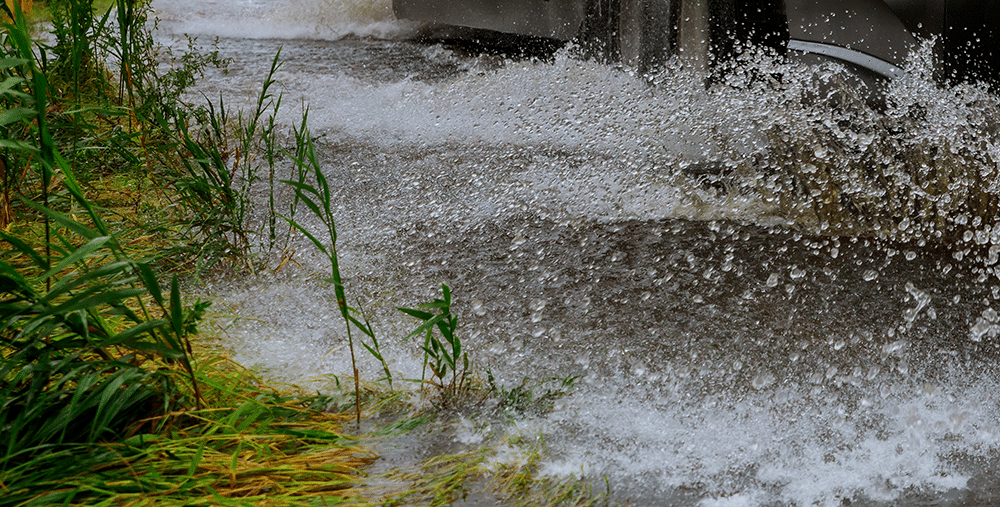
Never attempt to cross a flooded area. Water is powerful – six inches of moving water can knock over an adult and 12 inches can carry away a car. Two feet of moving water can easily move mid-sized vehicles.

  • Stay informed on the situation by listening to updates from authorities.
  • Be sure to follow all directions and instructions from authorities.
  • Have your emergency kit, including your important documents, ready to go.
  • Avoid locking farm animals in enclosures, such as barns. They could drown if they are trapped.
Protecting your home during a flood
  • Consult your electricity or fuel supplier for instructions on how to safeguard electrical, natural gas or propane equipment.
  • Do not shut off electricity if any water is present.
  • Move furniture, electrical appliances and other belongings to floors above ground level.
  • Remove toxic substances such as pesticides and insecticides from the flood area to prevent pollution.
  • Disconnect eavestroughs if they are connected to the house sewer.
  • Properties can be protected with sandbags or other barriers. This approach requires specific instructions from authorities.
Evacuation alerts and orders

Evacuation alerts warn the public of a potential or current threat. Evacuation orders are mandatory and issued for public safety.

  • If an order is issued, leave your location as soon as authorities tell you to.
  • Avoid low-lying areas, such as ravines or underpasses that could flood quickly.
  • If you are caught in fast-rising waters and your vehicle stalls, abandon it to save yourself and your passengers.
  • Follow evacuation routes specified by authorities. Do not take shortcuts.
  • Drive carefully with headlights on. Make way for pedestrians and emergency vehicles.

If you had to evacuate, you can’t return home until authorities tell you it is safe to do so. In some cases, re-entry can involve a brief return home only to inspect damages. Authorities may notify you using the contact information you shared when registering at a reception centre.

After a Flood

Floods can cause mold or toxic residues that make your home unlivable. Therefore, before homeowners are allowed to return to their homes, the area must be deemed safe and must have heating, water, sewer and communications. In areas serviced by wells, groundwater needs to be inspected to make sure it has not been affected.

Do not enter your home or property if:

  • an expert has not deemed it safe to do so
  • any part of the structure has collapsed
  • the structure is off its foundation
  • the main power switch was not turned off prior to flooding
Safety Tips when re-entering your property

When re-entering, use extreme caution at all times. This is especially true if there are holes in the floor, broken glass and/or dangerous debris. Authorities may give specific instructions for things you need to do when you return home.

Below is a list of possible actions you could take:

  • Work with your insurance company to make informed decisions about your home and needed repairs.
  • Have your home inspected to ensure power, water and gas have been restored and there are no leaks.
  • Have your home inspected for safety if the emergency was severe, since structural damage may not be visible.
  • Keep fridges and deep freezes sealed if power was off during an evacuation. Follow instructions of authorities and/or your insurance company for removal and disposal.
  • In case of flooding, ensure proper ventilation in case of water damage inside your walls.
  • Do not put yourself at risk by moving heavy items without help or by overworking to get things done.
  • Seek medical help immediately if you become overwhelmed or stressed by your tasks ahead.

Click here to learn more about what steps you need to take when returning home after a flood.

Power & Water Outages

Many of Alberta’s hazards, such as high winds, freezing rain and flooding, can damage power lines causing power outages.

Water outages can be caused by extreme temperature fluctuations and pipe corrosion causing water main breaks, among other reasons.

Outages can leave you without heat, water, lights, air conditioning, information services, and vital communication channels. Services such as grocery stores, pharmacies, gas stations, banks, and ATMs may be closed during an extended outage.

Before a Power or Water Outage

During a Power or Water Outage

Follow your emergency plan & access your emergency kit and keep it close by.

  • If the power is still on in your neighbourhood but not in your home, check your breaker.
  • Call your utility provider to determine if the interruption is widespread or only affecting your property.
  • Leave one light on inside and one light on outside so you and the utility worker will know when power has been restored.
  • Do not use any household appliances that require water.
  • Know when to go. If it is too cold to stay where you are and if it is safe to leave, head to a shelter until it is safe to return.
  • Carbon monoxide poisoning is preventable. Generators, camp stoves, or barbecues do not belong indoors; gas stoves and ovens are not a safe source of heat.
  • Listen to a local radio or television station for information from local authorities.

After a Power or Water Outage

  • Outages can create safety risks and cause property damage.Take caution when power and water returns.
  • Unplug appliances and electronics before turning on the main power switch. Allow the power to stabilize and wait 15 minutes before reconnecting tools and appliances.
  • Turn the essentials on first. Start with heat, followed by the refrigerator and freezer.
  • Turn on the main water supply.
  • Make sure the hot water heater is filled before turning it on.
  • Connect with your utility provider for more information.
  • Do not enter a flooded basement unless you are sure the power is disconnected.
  • Keep yourself, kids and pets away from affected areas in your community.
  • Never use water-damaged appliances, electrical outlets or fuse-breaker panels until they have been checked by a qualified electrician.
  • Check all food for signs of spoilage and damage. When in doubt, throw it out.
  • After 24 hours of no power, all refrigerated medication should be thrown out, unless the label says otherwise.
Severe Weather

Thunderstorms, lightening, heavy rain, and hail can develop quickly and threaten life and property. These severe weather events are common in Alberta and can be unpredictable.

Before a Severe Weather Event

  • Protect your property:
  • Secure loose outdoor items and cover your vehicle if hail is expected..
  • Check drainage around your home to prevent flooding.
  • Grade your property so water flows away from your foundation. Ensure sump pumps and drainage systems are working.
  • Avoid travel during severe storms. If you must drive, bring a vehicle emergency kit and a cell phone with a charger.
Thunderstorms

Move to a safe place that is away from windows and doors.

Avoid using electrical equipment and telephones

Heavy rainfall hazards:

  • Heavy rain can cause flash flooding, especially when the ground is frozen or already wet.
  • Environment Canada issues a heavy downpour warning when 50 millimetres or more of rain is expected within one hour.

If you’re outdoors during heavy rainfall:

  • Stay away from power lines and electrical wires.
  • Avoid underpasses, ditches, and low lying areas that can flood quickly.
Lightning

Lightning kills approximately 10 Canadians each year and injures many more. It causes more fatalities in Canada than hail, rain, flooding, wind, and tornadoes combined.

If you can see lightning or hear thunder, you are at risk.

  • Seek shelter in a fully enclosed building with wiring and plumbing.
  • Unplug electrical appliances and stay away from outlets.
  • Avoid windows, doors, fireplaces, sinks, tubs and showers because these areas are more likely to pass electricity.
  • Wait 30 minutes after you hear the last rumble of thunder before going outside.

If you are caught outdoors:

  • Avoid sheltering in your vehicle is possible. It offers limited protection from lightning.
  • Stay away from tall objects or anything made of metal.
  • Avoid water; seek shelter in low-lying areas, such as a ditch.
  • If you are out on a lake or other body of water, head to shore immediately and then follow the instructions above.
Hail

Hail forms in storm clouds and can occur anytime, though it is most common in summer. Hailstones can range pea-sized to grapefruit-sized and fall at speeds of over 100km/h.

Hail can cause significant damage to homes, property, vehicles and crops. Combined with heavy rain, hail can also block storm drains and cause flooding.

When hail begins:

  • If caught outdoor with no shelter, , crouch down facing away from the wind and protect your head and neck.
  • Move indoors immediately. Keep people and pets away from windows, glass doors and skylights.
Wildfires

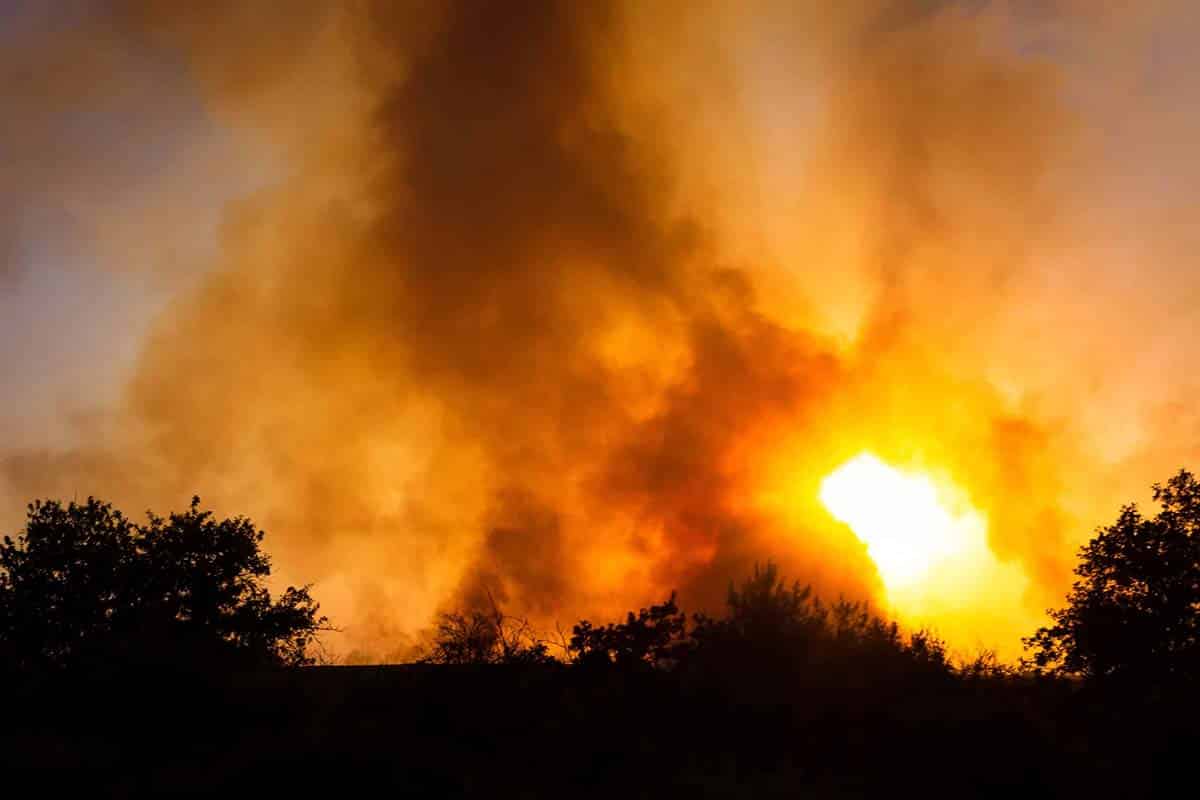
Wildfires are most common between March 1 and Oct. 31. Wildfires can affect communities in forested or grassland areas, including urban green spaces like ravines and parks.

If a fire is near, protect yourself and loved ones by following directions from authorities and be prepared to evacuate

Before a Wildfire

Protect Your Home & Belongings

  • Store passports, birth certificates, banking information and insurance papers in a safe place.
  • Learn FireSmart methods and share them with members of your community.
  • Remove items that can burn from within 1.5 metres (five feet) of your home, such as dried branches, leaves, lawn furniture, firewood and debris.
  • Install smoke detectors and carbon monoxide alarms on every floor and check them often.
  • Keep a sprinkler in an easy-to-access location.
  • Be careful when smoking outside, extinguish fire pits and burn barrels, and obey local fire bans.

During a Wildfire

  • If you’ve been directly impacted, make sure you are safe before assisting others. Check yourself and those around you for injuries; administer first aid, if needed, and call 9-1-1 if there are life-threatening injuries.
  • Listen to a local radio or television station for information.
  • Stay tuned to Sturgeon County’s news page & social media channels
  • Listen to instructions from authorities; you may be asked to evacuate or stay where you are.
  • Limit non-emergency phone calls to keep phone networks free for those who require emergency services. This also helps to save battery power if you are using a cell phone.
  • In some cases, authorities will give instructions on how to protect your home. They may ask you to shut off water, electricity or gas. Do not shut off your utilities unless directed to do so. Do not shut off electricity if water is present.

Evacuations

  • Evacuate with all household members, including pets.
  • Lock up your home and follow evacuation routes specified by authorities.
  • Drive carefully with headlights on, and make way for pedestrians and emergency vehicles.
  • Register at the reception centre, if applicable.
  • Let your out-of-town contact know what is happening in case you are separated from loved ones.
Winter Storms

Blizzards, ice storms, high winds and blowing snow can develop quickly and threaten life and property. Alberta experiences extreme cold where temperatures can reach -40 C or colder. Conditions this severe are life-threatening and put people and animals at risk.

Before a Winter Storm

Blizzards

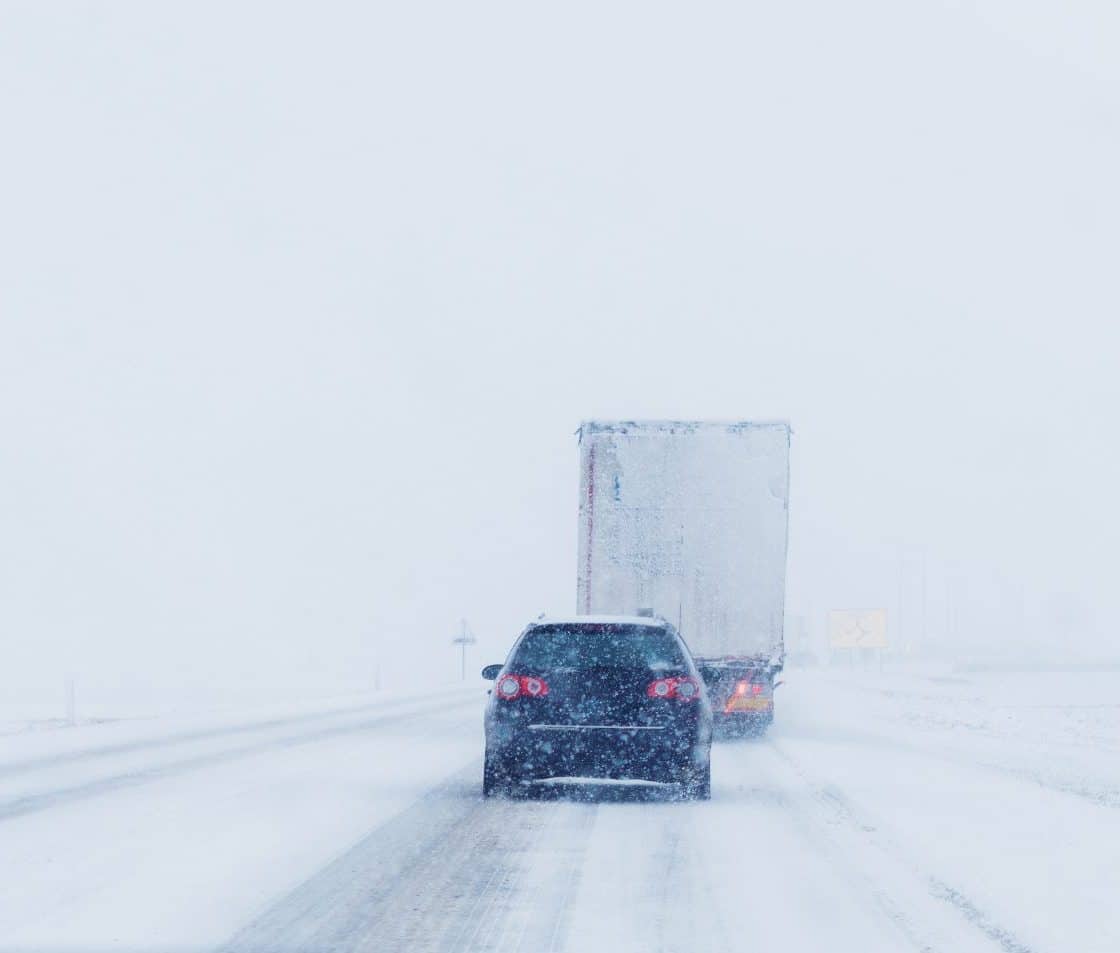
A blizzard warning is issued when blowing or falling snow, combined with winds of at least 40 km/h, is expected to last at least four hours. Blizzards – even under clear skies can cause zero visibility.

During a Blizzard

  • Avoid driving. Wait several hours after the storm ends before travelling.
  • If travelling is unavoidable, check Alberta 511 for current road conditions. Travel during daytime hours, make sure you have a well-stocked vehicle emergency kit and use the buddy system so someone knows where you are going and when you expect to get there.
  • Stay indoors if possible. If you must go outside, dress appropriately for severe cold and wind.
  • If you have to drive, check Alberta 511 for current road conditions. Travel during daytime hours, make sure you have a well-stocked vehicle emergency kit and use the buddy system so someone knows where you are going and when you expect to get there.
  • If possible, avoid going outdoors. If you must go outdoors, dress for the weather.

If you are stuck in your vehicle:

  • Stay calm, stay inside and call for help using your cell phone.
  • Run the engine occasionally for heat. Ensure exhaust pipe is clear to prevent carbon monoxide buildup.
  • Allow fresh air in by opening the window slightly on the sheltered side of your vehicle, away from the wind.

Freezing Rain or Ice Storm

Freezing rain creates a layer of clear ice on contact. Ice storms occur when freezing rain continues for several hours and may include wind, ice fog and extreme cold.

During Freezing Rain or an Ice Storm

  • Avoid driving and wait several hours after the storm ends before going anywhere.
  • If you must drive, check Alberta 511 for current road conditions. Travel during daylight, carry a vehicle emergency kit and make sure someone knows your travel plan.
  • Limit outdoor activity. If you must go out, dress for the weather and watch for falling ice from tree branches, structures and power lines.

Extreme Cold

An extreme cold warning is issued when temperatures or the wind chill will reach -40°C or colder. Exposure, even briefly can be dangerous

  • Stay indoors as much as possible.
  • If driving, plan your route and check Alberta 511 for current road conditions
  • Carry a vehicle emergency kit and ensure someone knows your destination and timeline.
  • Dress in warm, windproof layers and watch for frostbite, which can occur in under 10 minutes in extreme cold.
  • Avoid overexertion when working outside. Sweating can lead to hypothermia
  • Ensure pets, farm animals and livestock have adequate heated or insulated shelter

Learn more about extreme cold.

Sturgeon County declares Agricultural Disaster

Now recruiting - Paid On-Call Firefighters! Application deadline is August 30. 

Scroll to Top